Commercial vehicle inspections protect drivers, cargo, and other road users. They can also reveal maintenance issues that take trucks out of service and disrupt entire delivery schedules.
The 2025 International Roadcheck results underscore the operational importance of inspection readiness. Inspectors conducted 56,178 vehicle, driver, and cargo inspections across North America. They placed 10,148 commercial vehicles out of service, resulting in an overall out-of-service rate of 18.1%.
Fleet managers can reduce DOT inspection violations by understanding where inspectors most often find defects and addressing them through systematic maintenance.
Brake System Violations
Brake defects remain among the most frequent and serious commercial vehicle inspection violations. During the 2025 International Roadcheck, inspectors recorded 3,304 brake-system out-of-service violations and 2,257 violations involving vehicles with at least 20% of the brakes out of service. Together, brake-related defects accounted for 41.1% of all vehicle out-of-service violations. Common brake-system violations may include:
- Air leaks
- Excessive pushrod travel
- Defective slack adjusters
- Damaged brake drums or rotors
- Worn or contaminated friction material
- Inoperative brakes
- Loose or missing components
Fleet maintenance programs should include air-pressure testing, brake-adjustment measurements, friction-material inspections, and checks for damaged mechanical components. The FMCSA inspection and maintenance requirements require carriers to keep vehicle parts and accessories in safe operating condition.
Tire Defects
Tires were the second-leading vehicle out-of-service violation category during the 2025 International Roadcheck. Inspectors identified 2,899 tire-related violations, accounting for 21.4% of all vehicle out-of-service violations. Reported problems included flat tires, insufficient tread depth, exposed cords, severe cuts, improper repairs, and tires unsuitable for the vehicle’s load. Effective fleet tire maintenance should address:
- Inflation pressure
- Remaining tread depth
- Sidewall cuts and bulges
- Exposed belts or cords
- Valve-stem damage
- Dual-tire contact
- Uneven wear patterns
- Load and service ratings
Drivers should inspect tire condition during every pre-trip inspection. Technicians should investigate uneven wear, as it may indicate alignment, steering, suspension, or inflation problems.
Lighting And Electrical Violations
Inspectors recorded 1,737 lighting-related out-of-service violations during the 2025 International Roadcheck. Lighting accounted for 12.8% of all vehicle out-of-service violations and ranked fourth among the leading categories.
Commercial truck lighting violations can involve headlights, brake lights, turn signals, clearance lamps, identification lamps, reflectors, side-marker lights, and trailer connections. Failed bulbs are not the only concern. Damaged wiring, corroded sockets, loose grounds, blown fuses, and moisture intrusion can cause intermittent failures.
Drivers should perform a full walkaround with the vehicle’s lights on. Fleet technicians should correct recurring electrical faults rather than repeatedly replacing bulbs without identifying the underlying cause.
Cargo Securement Problems
Cargo securement accounted for 1,549 vehicle out-of-service violations during the 2025 International Roadcheck. Improperly secured cargo may shift, leak, spill, blow, or fall from the vehicle. It can also affect vehicle handling and create serious roadway hazards. Common cargo securement violations include:
- Damaged straps or chains
- Insufficient tie-downs
- Loose binders
- Defective anchor points
- Missing blocking or bracing
- Unsecured equipment or dunnage
- Cargo that can roll, tip, slide, or shift
Drivers, loaders, and supervisors should understand the securement requirements for each load. Securement devices should be inspected before departure and rechecked when operating conditions could cause cargo to settle or shift.
Steering, Suspension, And Wheel-End Defects
A North American Standard Level I Inspection covers steering mechanisms, suspension systems, wheels, rims, hubs, coupling devices, and driveline components. Inspectors may place a vehicle out of service if a defect poses an immediate safety concern. The CVSA inspection overview lists these components as standard areas of examination.
Potential violations include loose steering components, cracked leaf springs, damaged air springs, loose U-bolts, cracked wheels, missing fasteners, excessive wheel-bearing play, and defective fifth-wheel components.
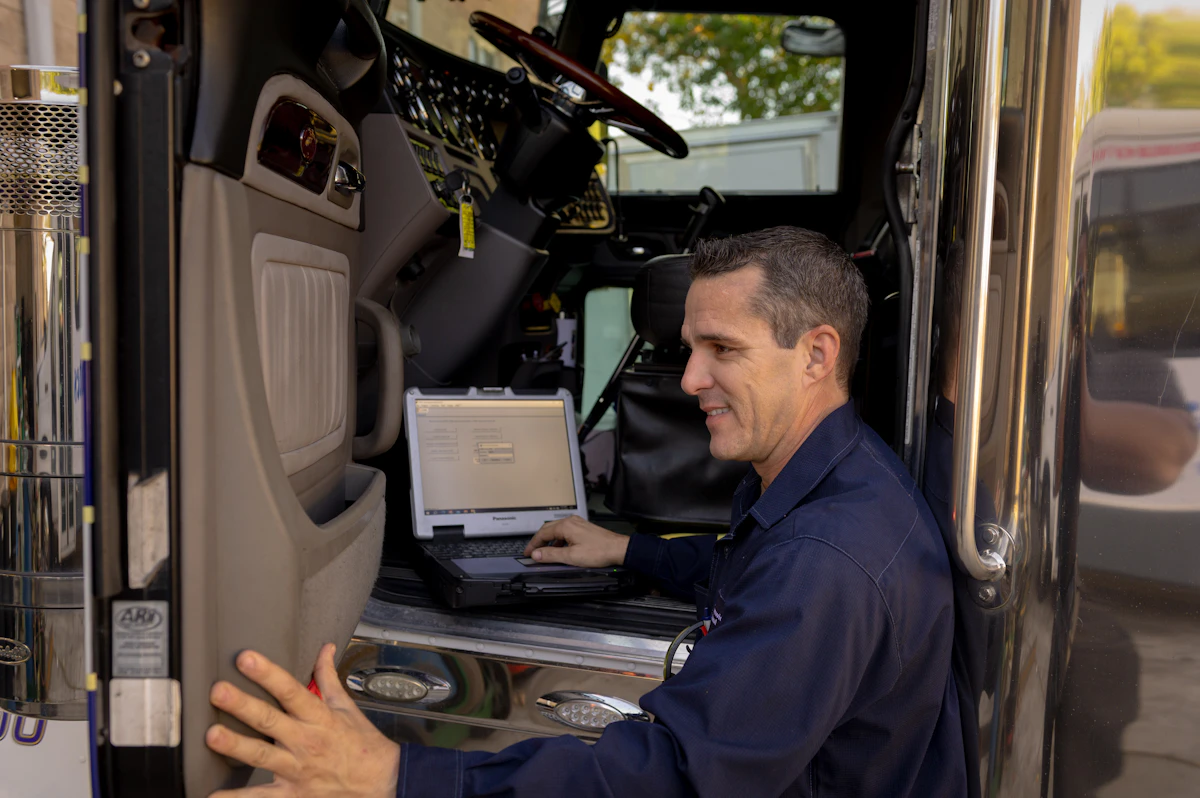
Scheduled commercial fleet inspections should include physical checks for looseness, cracking, movement, leaks, and abnormal wear. Dashboard warnings alone cannot identify every mechanical defect.
Driver And Documentation Violations
Vehicle condition is only one part of a roadside inspection. Inspectors also evaluate the driver’s commercial license, medical certification, duty status record, qualifications, and other operating requirements.
During the 2025 International Roadcheck, the leading driver out-of-service categories were hours-of-service violations, missing commercial driver’s licenses, missing medical cards, false logs, and suspended licenses. Fleet managers should regularly verify:
- CDL status and endorsements
- Medical certificate expiration dates
- Hours-of-service records
- Electronic logging device operation
- Vehicle registration
- Required shipping documents
- Previous inspection reports
Administrative reviews should be part of DOT compliance for fleets, not reserved for annual audits.
Incomplete Inspection And Repair Records
The FMCSA vehicle inspection guidance requires drivers to inspect their vehicles before operation and confirm that they are in safe operating condition. Safety-related defects documented on a Driver Vehicle Inspection Report must be repaired before the vehicle is dispatched again.
Commercial vehicles must also undergo a periodic DOT inspection at least once every 12 months. Carriers must retain the inspection report for 14 months, and documentation of the most recent inspection must remain on the vehicle.
Organized records should include inspection reports, repair orders, technician findings, replaced components, mileage, service dates, and repair certifications.
How Fleets Can Prevent Recurring Violations
A structured preventive fleet maintenance program should include:
- Thorough pre-trip driver inspections
- Prompt reporting of safety defects
- Scheduled brake and tire evaluations
- Complete lighting checks
- Periodic chassis and wheel-end inspections
- Documented corrective repairs
- Regular compliance record reviews
- Maintenance intervals based on mileage, operating hours, and duty cycle
The FMCSA requires motor carriers to systematically inspect, repair, and maintain the commercial vehicles under their control. A consistent process helps fleets identify emerging problems before they become roadside violations.
Keep Your Fleet Inspection-Ready
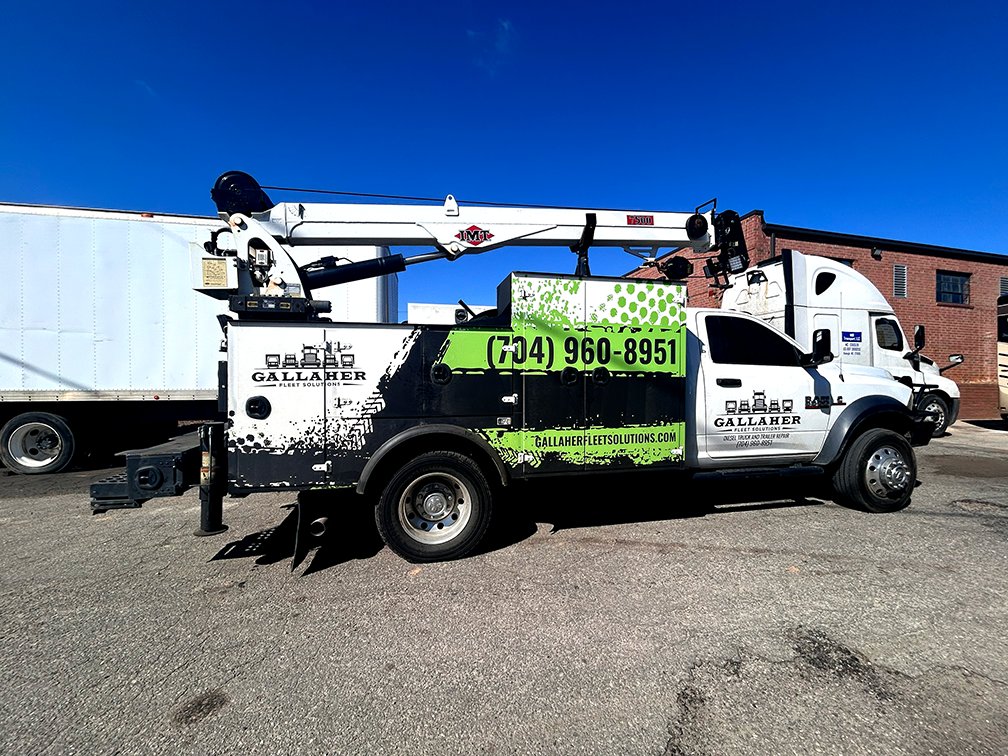
Most DOT inspection violations stem from identifiable mechanical, documentation, or maintenance deficiencies. Regular inspections and documented repairs help protect drivers, reduce unplanned downtime, and keep commercial vehicles operating safely. Contact Gallaher Fleet Solutions in Monroe, NC, to schedule fleet maintenance, inspection preparation, or commercial vehicle repairs before a preventable defect disrupts your operations.
.jpg)
.jpg)
.jpg)
.jpg)